Philip Kindred Dick (1928 - 1982)
Licensed under ::
by ()
@

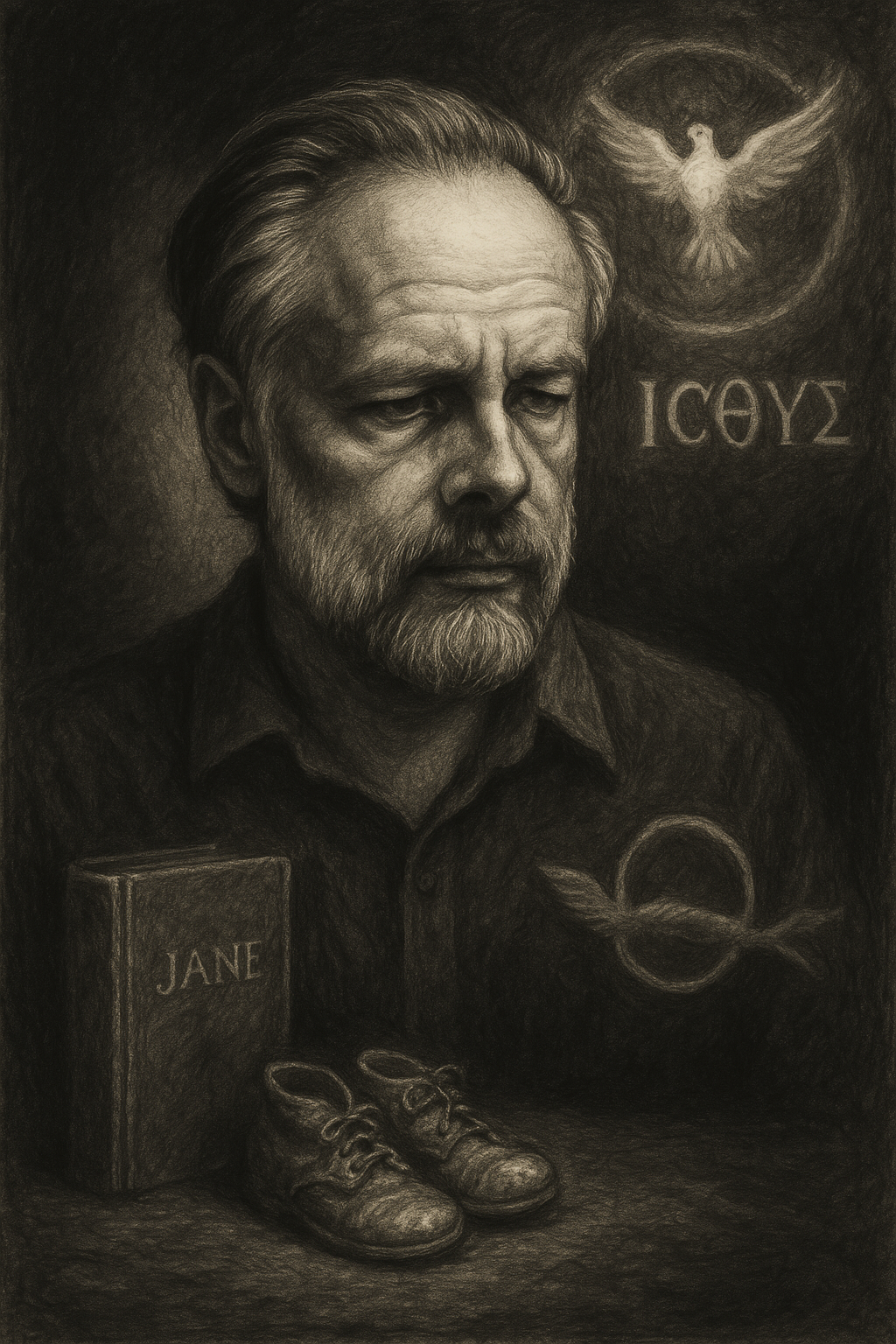
Philip Kindred Dick (1928 - 1982)

ultra-prolific (cca 45 novels, >120 short-stories)

his twin sister Jane died when he was six weeks old

first educated at Quaker schools, later at Berkeley

seller in record store, gets his first short-story "R🐶🐶G" published in 1951

amphetamine abuse; married 5 times; paranoia; schizophrenia;

self-described as "acosmic panentheist" - "I don't believe that the universe exists. I believe that the only thing that exists is God and (s)he is more than the universe. "

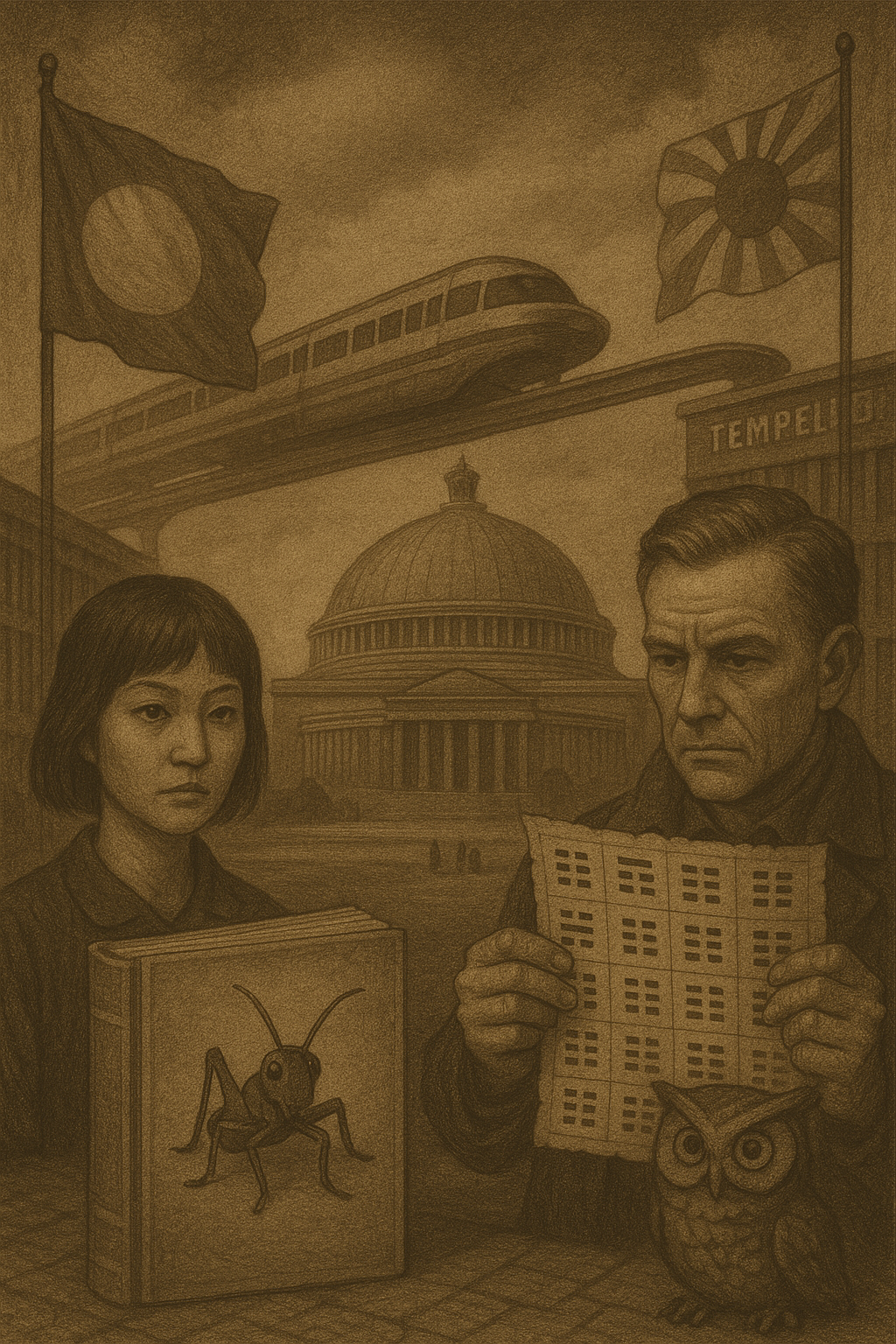
The Man in the High Castle (1962)

An Axis-dominated world with Berlin as the political and technological center.

Rocketry and aerospace supremacy redefining global power after WWII.

The chinese "Book of Changes" (I Ching) functioning as an oracle guiding characters and narrative fate.

“The Grasshopper Lies Heavy” as a forbidden alternate-history novel.

Fiction-within-fiction (resp. a negation-of-a-negation) destabilizing what counts as the “real” world.

The Three Stigmata of Palmer Eldritch (1965)

Chew-Z as a gateway to layered, recursive realities.

Palmer Eldritch as alien–demiurgic intruder with three stigmata.

Corporate rivalry turning metaphysical: P.P. Layouts vs Eldritch.

Loss of agency: characters cannot trust their own perceptions.

Gnostic undertones: a hostile “god” hijacking subjective worlds.

Reality as a trap woven by a higher, unknowable intelligence.

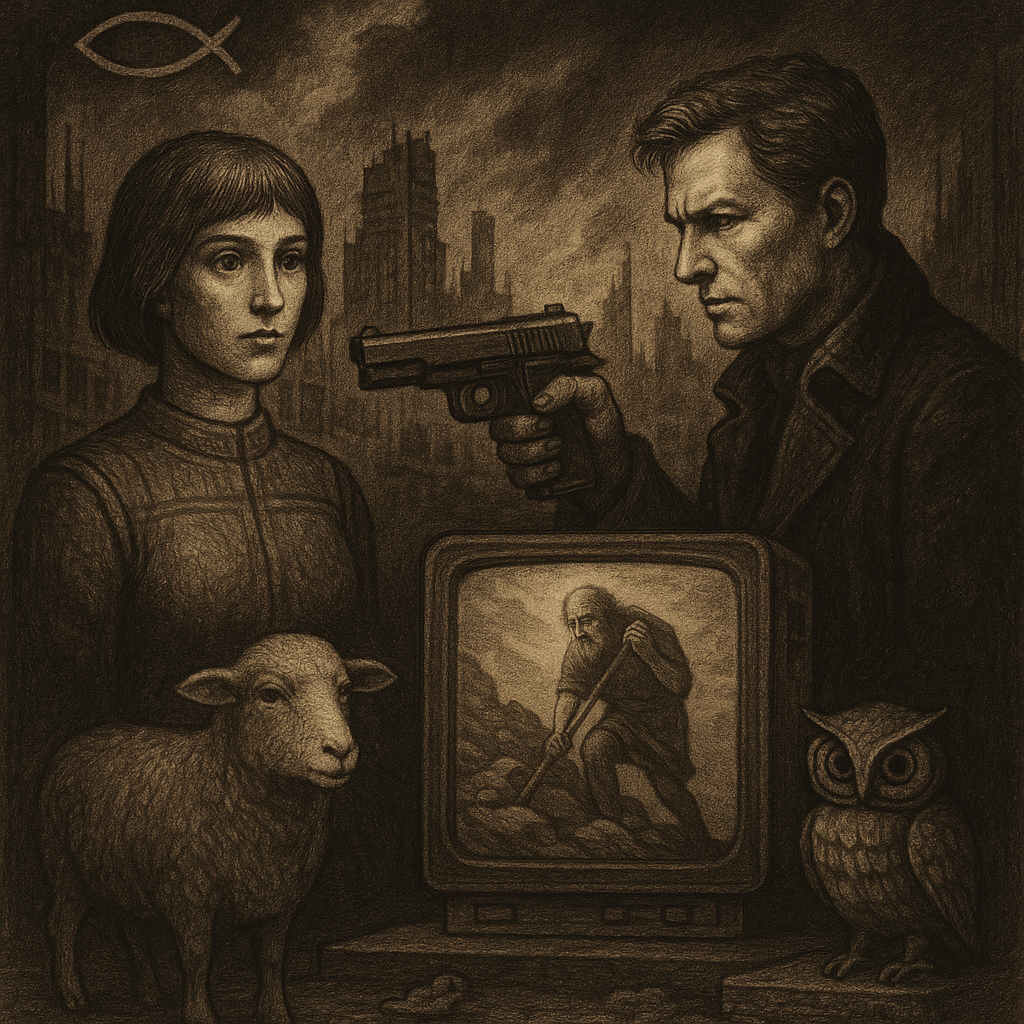
Do Androids Dream of Electric Sheep (1968)

A post-apocalyptic Earth emptied by nuclear fallout and mass extinction.

Empathy as the defining human trait, tested through the Voigt–Kampff ritual.

Rick Deckard hunting Nexus-6 androids who mirror humanity too closely.

Electric animals as status symbols in a world that has lost real life.

Mercerism - religion re-enacting the mix of Sisyphos / Golghotta experience by means of "empathic box" devices.

Androids questioning their own identity, autonomy, and worth.

The erosion of Deckard’s certainty: “What makes someone alive?”

Ubik (1969)

Decaying reality sliding backward in time.

Cryonic half-life: the dead still communicate.

Jory as parasitic consciousness devouring worlds.

Ubik as quasi-cosmic product: salvation or illusion?

Corporate psi warfare destabilizing identity.

Omnipresent messages hinting at a hidden order.

Each “level” reveals another layer of unreality.

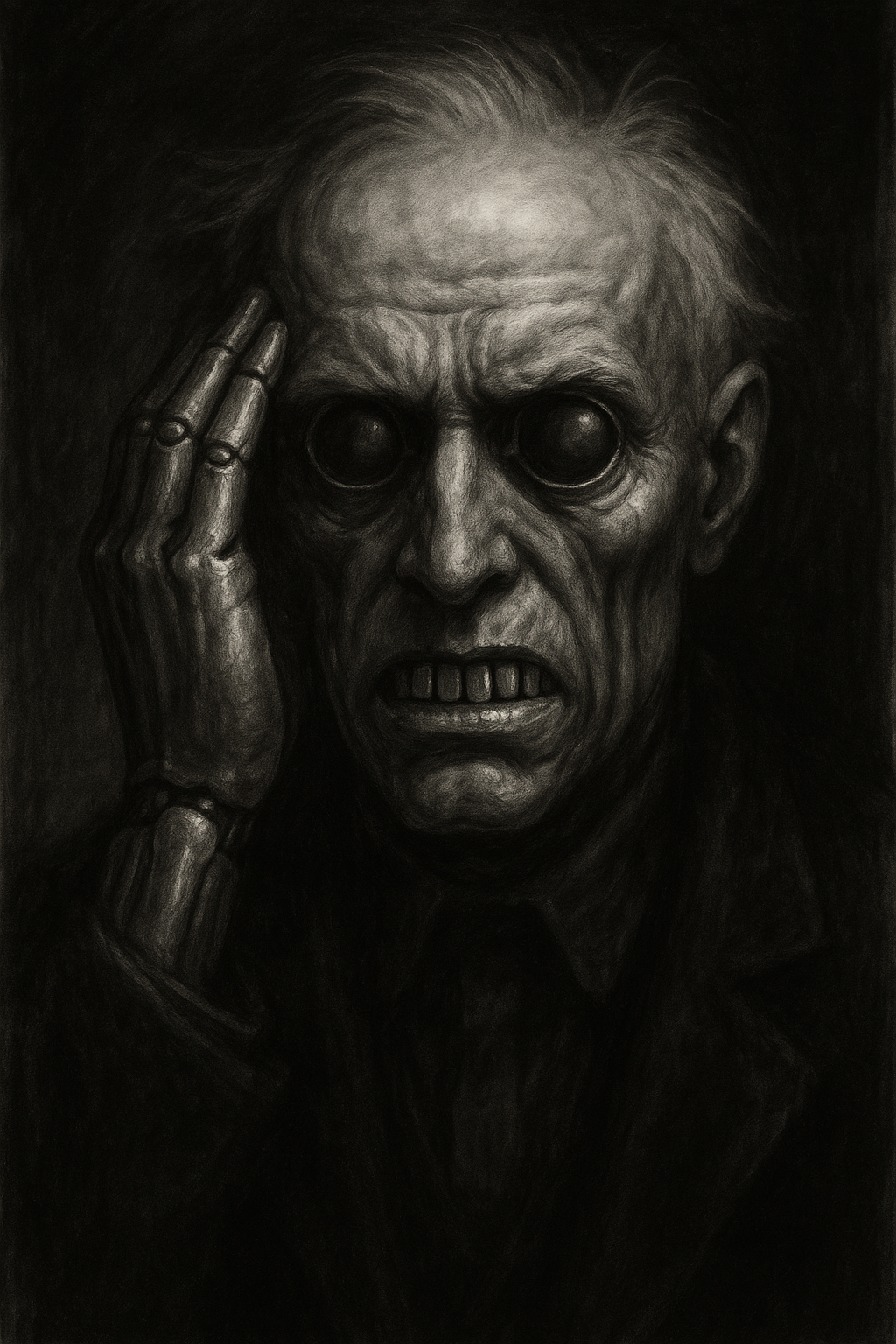
A Scanner Darkly (1977)

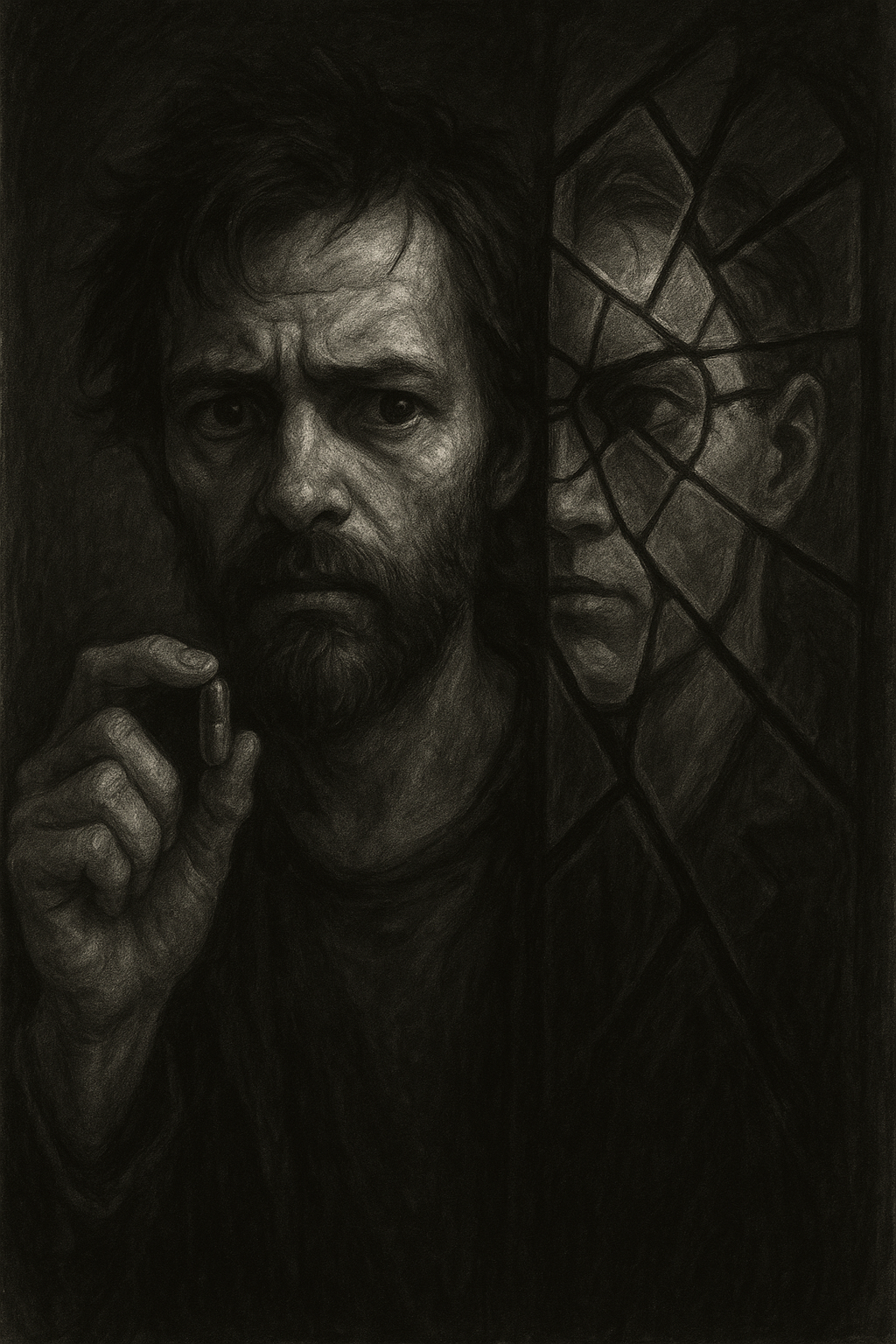
Substance D splitting perception and selfhood.

Surveillance turning protagonist into both watcher and watched.

Erosion of personality into fragmented doubles.

War on drugs portrayed as self-generating, self-devouring system.

Blurring of friendship, betrayal, and institutional control.

Paranoia as rational response to structural violence.

Compassion for the human wreckage of addiction (book's "epilogue" one of the most personal critiques of downsides of the 60s movement).

VALIS (1981)

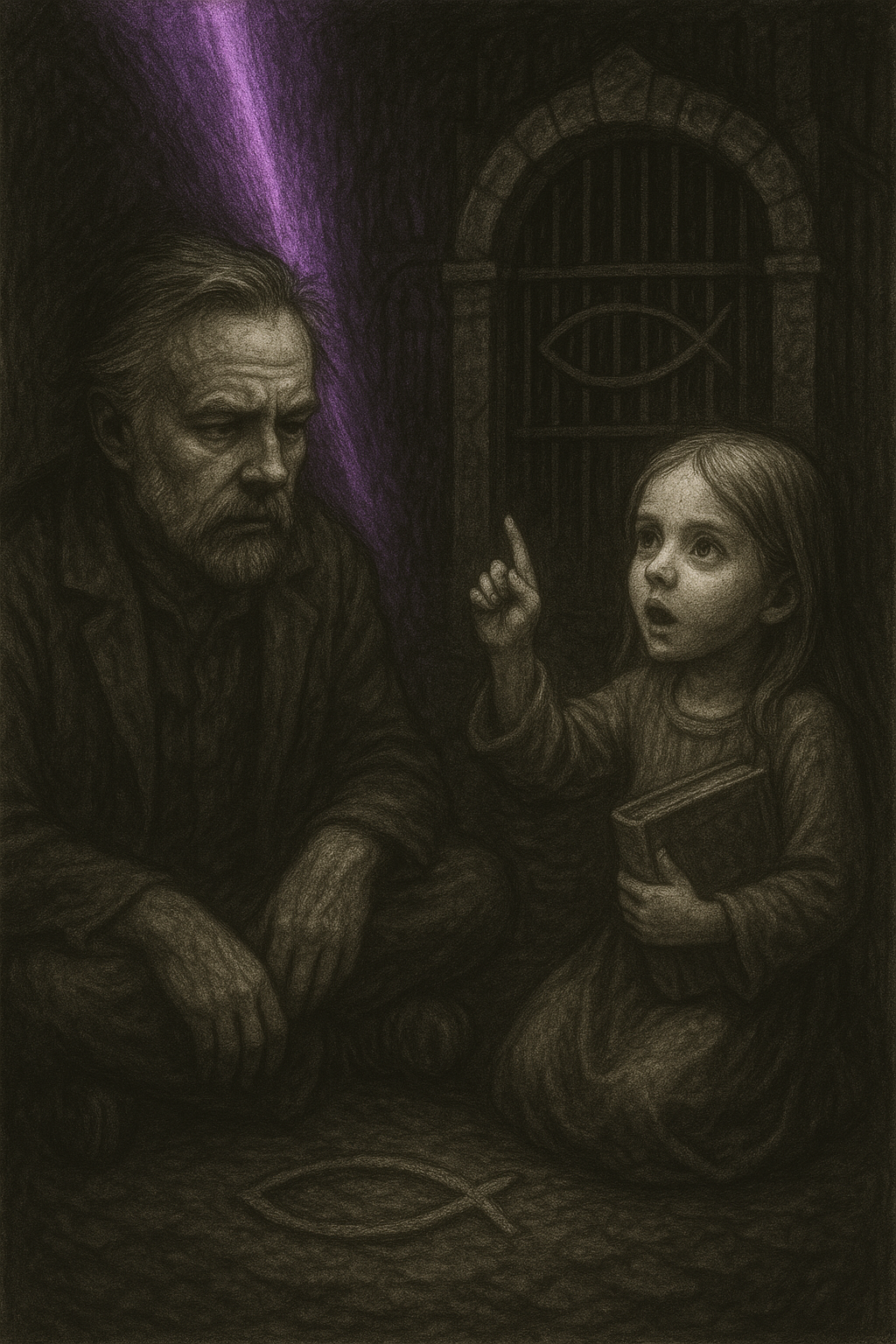
Theophany experienced as pink laser of information.

VALIS as alien intelligence or Gnostic God.

Schizophrenia, revelation, and ontology entangled.

A world ruled by a Black Iron Prison—false reality ("The Empire Never Ended")

Sophia as incarnated salvific child-figure.

Autobiographical fragmentation: Horselover Fat vs PKD.

Living information reshaping history from within.

IOTD: Cryptica Scriptura

One Mind there is; but under it two principles contend.

The Mind lets in the light, then the dark, in interaction; so time is generated.

At the end Mind awards victory to the light; time ceases and the Mind is complete.

Quote by R. D. Laing

“Insanity -- a perfectly rational adjustment to an insane world.”